


Chiropractic Care for Children: What Parents Should Know
When you think about chiropractic care, you may picture an adult with back or neck pain. But children experience their own physical demands as they grow, from learning to move as infants to carrying backpacks, playing sports, sitting at school, and navigating growth and changing activity levels.
So, is chiropractic care appropriate for children?
It can be, when it is appropriate for the individual child and provided with an age-appropriate approach. Children are not simply small adults. Their age, size, development, history, comfort, and reason for visiting should all be considered before any care is recommended.
What Is Pediatric Chiropractic Care?
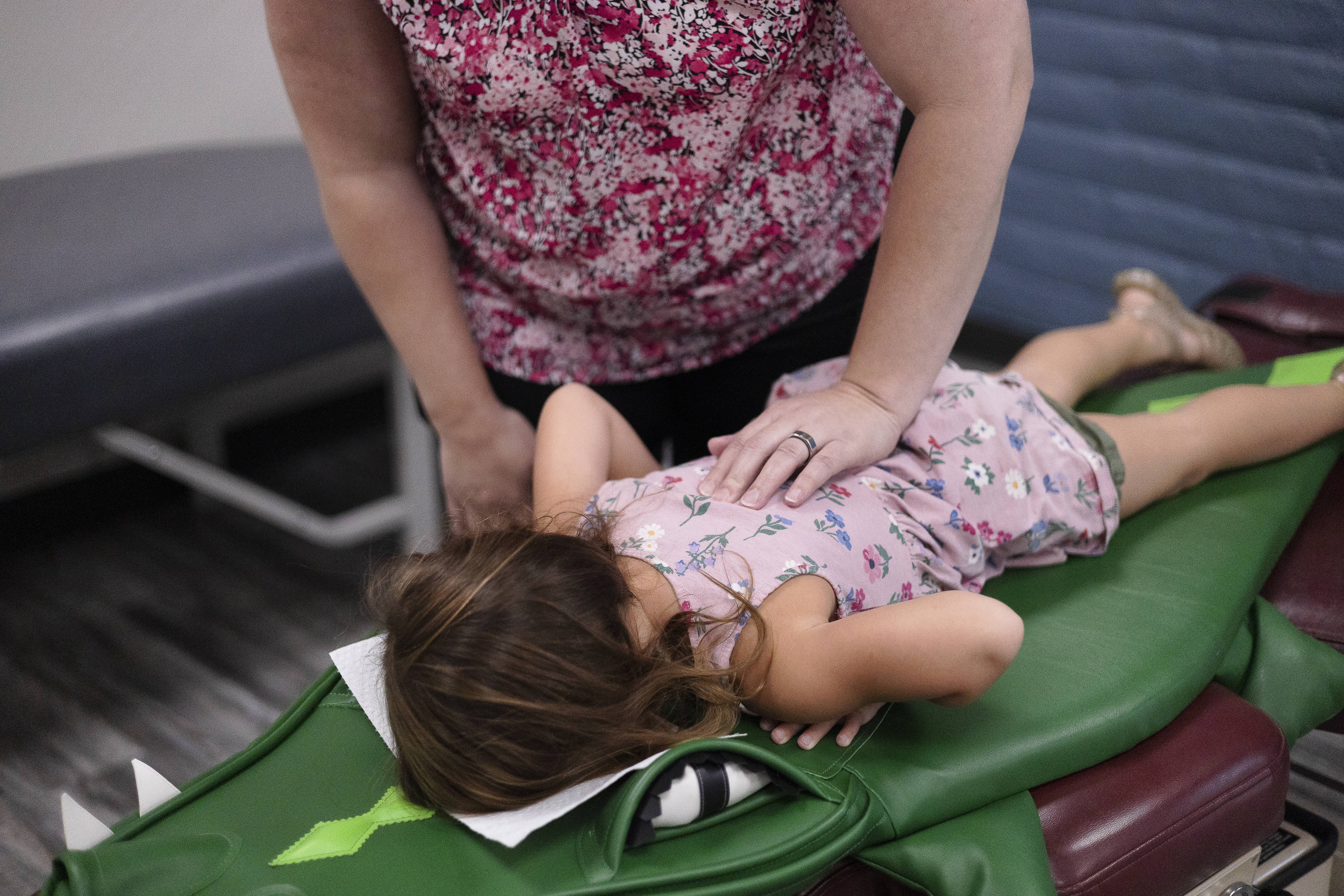
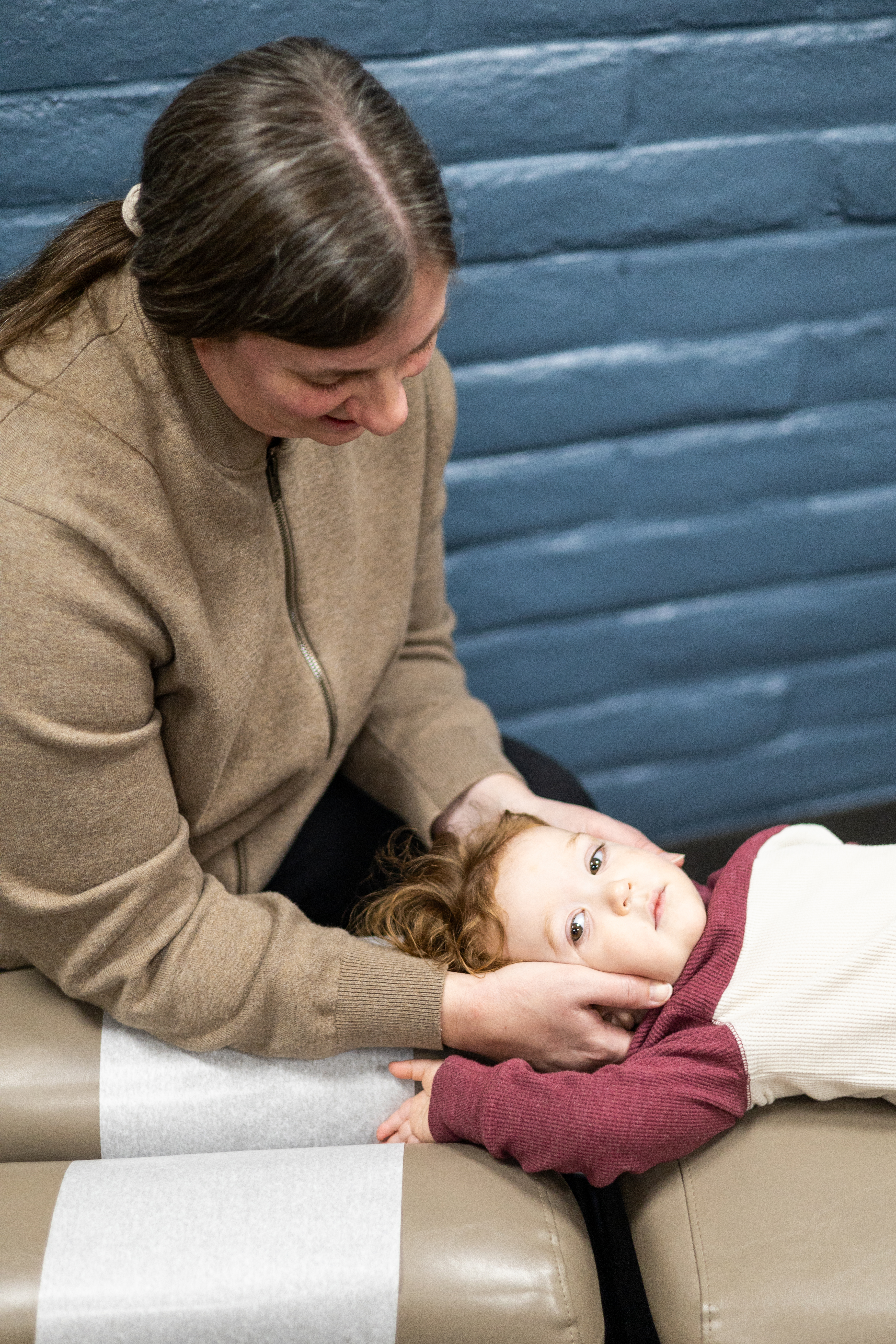
Pediatric chiropractic care involves evaluating, and when appropriate, providing chiropractic care for infants, children, and adolescents. A first visit should begin with understanding the child, not automatically performing adjustment. An evaluation may include looking at movement, posture, mobility, balance, and other aspects of musculoskeletal function.
The goal is to determine whether chiropractic care is appropriate and, if so, what approach makes sense for that child.
Why Might A Child See A Chiropractor?
Parents may seek an evaluation when they notice a movement or musculoskeletal concerns such as:
Neck or back discomfort
Postural concerns
Recurrent aches or stiffness
Sports-related discomfort
A change in movement after an injury
Difficulty with certain movements or activities
Headaches
Focus or concentration difficulty in school
For some families, chiropractic care may also be one part of a broader approach to supporting healthy movement and physical activity.
How Is Care Adapted for Children?
An infant, toddler, school-age child, and teenager have very different needs.
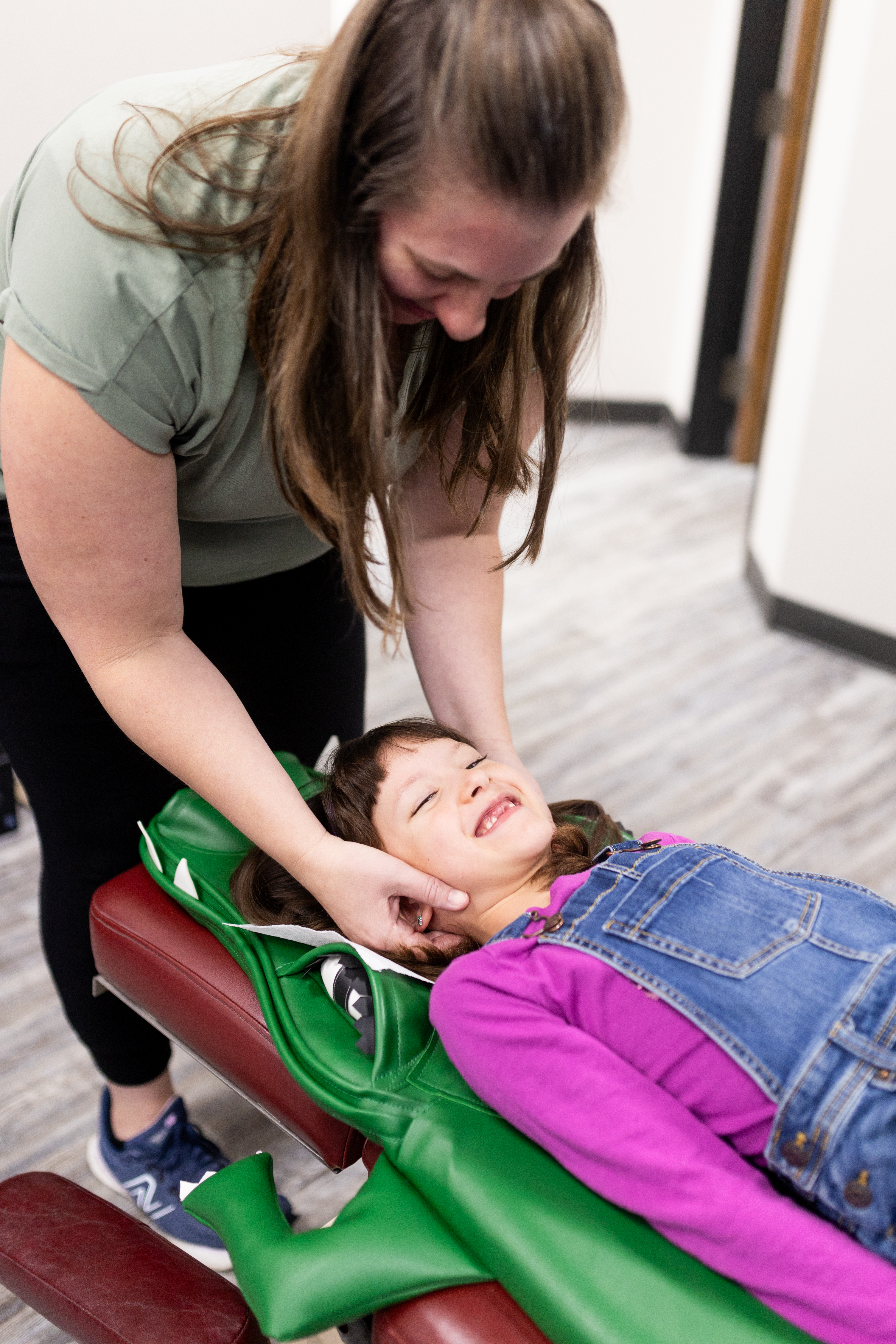
An infant may be observed while naturally moving or interacting with a parent. A toddler may need a more playful approach. Older children and teens may be able to participate more directly in movement or orthopedic testing.
Any hands-on care should also be adapted to the child's age, size, development, anatomy. and comfort.
Parents should feel comfortable asking:
What experience do you have working with children?
How will you evaluate my child?
How will care be adapted to their age and development?
What are the potential benefits and risks?
How will we know whether care is helping?
When would you recommend another healthcare professional?
A responsible provider should be comfortable answering these questions and recognizing when chiropractic care is not the appropriate next step.
What About Infants?
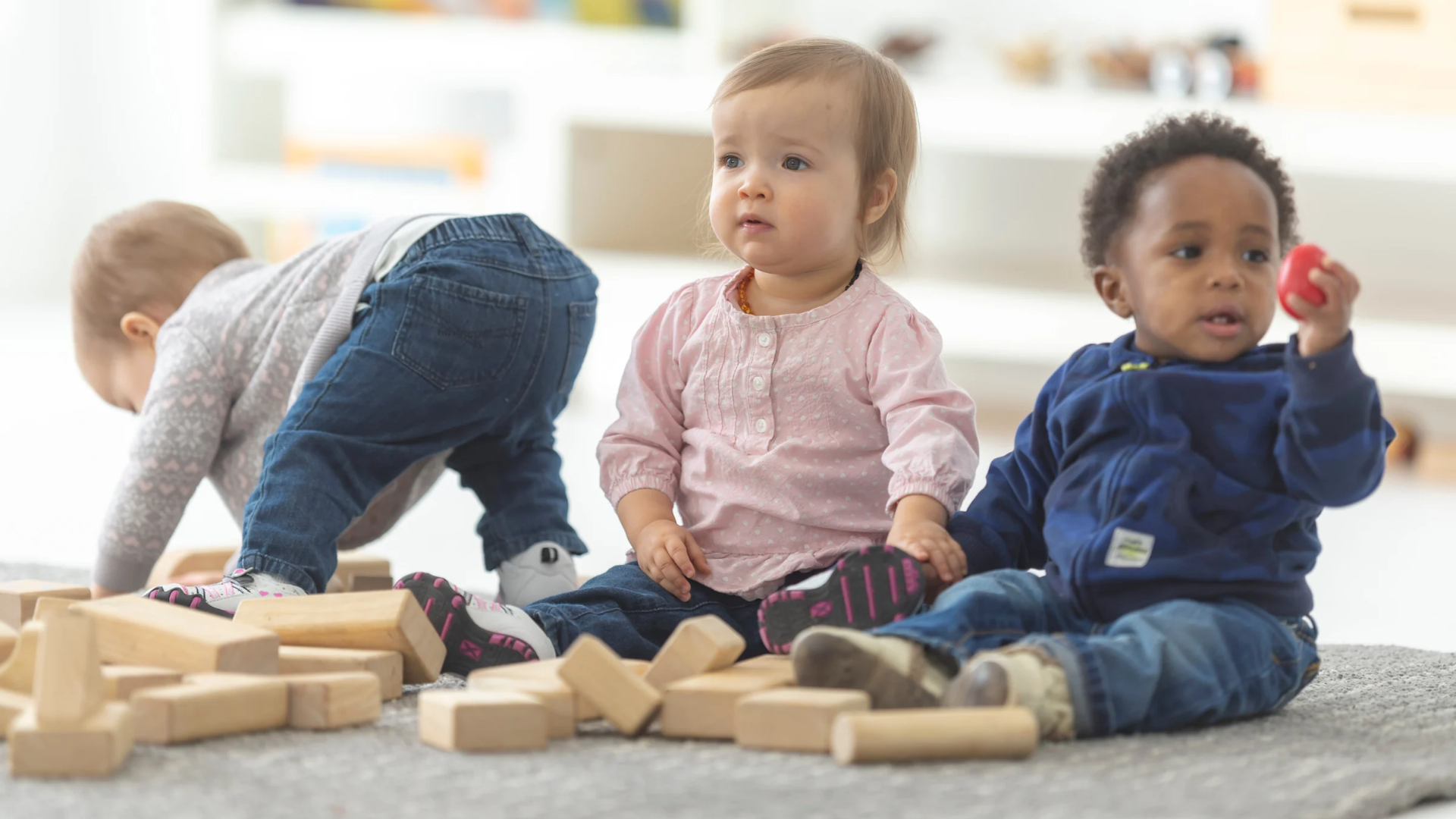
Parents often have additional questions about chiropractic care for babies.
If you notice a difference in how your baby moves, turns their head, or positions their body, an appropriate evaluation can help determine whether there is a musculoskeletal concern that should be addressed.
It is also important to keep expectations realistic. Chiropractic care should not be presented as a proven treatment for conditions such as colic, reflux, feeding difficulties, sleep problems, developmental delays, pain from ear infections, or other non-musculoskeletal conditions but many parents report that they see improvements after beginning chiropractic care.
Working with other healthcare professionals to troubleshoot feeding, development, breathing, or other aspects of your baby's health is one way we can help your family get on the right track.
Supporting Your Child's Healthy Movement As They Grow
Children go through many physical changes as they grow. From learning to crawl and walk to running, playing sports, and becoming more independent, each stage brings new movement experiences and physical demands.
Supporting healthy movement starts with giving children opportunities to explore what their bodies can do.
Parents can encourage this by:
Making time for outdoor play and physical activities
Encouraging age-appropriate movement and exercise
Allowing breaks from prolonged sitting and screen time
Paying attention to changes in movement or recurring discomfort
Supporting rest and recovery after physically demanding activities
Chiropractic evaluations can also be an opportunity to learn more about your child's posture, mobility, and musculoskeletal development when concerns arise.
The goal is to help children stay active, enjoy the activities they love, and develop healthy movement habits as they grow.
Helping Children Stay Active and Comfortable
Childhood is full of movement. From crawling and walking to running, climbing, dancing, and physical sports, children are constantly developing new physical abilities.
As they grow, their bodies experience changing demands. School activities, backpacks, sports, screen time, and everyday play can all influence how they move and feel.
Patients can encourage healthy movement habits by:
Giving children opportunities for active play
Encouraging breaks from prolonged sitting
Supporting age-appropriate physical activities
Paying attention to recurring discomfort or change in movement
Making time for rest and recovery after demanding activities.
These everyday habits are valuable parts of supporting a child's physical development. When a concern arises, an evaluation can help parents better understand what their child may need.
A Thoughtful Approach To Your Child's Care
At Optimal Health & Wellness, we believe deserve care that considers who they are, where they are in their development, and what they need.
Our approach begins with listening to parents, understanding their concerns, and evaluating the child's individual needs. If chiropractic care is appropriate, we consider age-appropriate techniques and monitor how the child responds.
We want parents to feel comfortable asking questions and understanding the care being provided. Every child is different, and their care should reflect that.
Have Questions About Chiropractic Care for Your Child?
You don't have to wait until a movement of concern becomes a bigger source of frustration to ask questions. If you've noticed changes in your child's movement, recurring discomfort, or difficulty with certain physical activities, we're happy to talk with you about whether an evaluation may be appropriate.
Contact Optimal Health & Wellness to learn more about pediatric chiropractic care in Tulsa and how we can support your family's wellness needs.
Call (918) 477-7909 to learn more or request an appointment in our online form.
Reference
Siddle, B. (2008b, season-02). Chiropractic care for children. Pathways to Family Wellness, 18. https://pathwaystofamilywellness.org/childrens-health-wellness/chiropractic-care-for-children.html
Ohm, J. (2005, season-01). Why should children have chiropractic care? Pathways to Family Wellness, 5. https://pathwaystofamilywellness.org/childrens-health-wellness/why-should-children-have-chiropractic-care.html
Gaffey-Smyth, A. (2024, season-03). Children and chiropractic: the Australian public response. Pathways to Family Wellness, 83. https://pathwaystofamilywellness.org/chiropractic/children-and-chiropractic-the-australian-public-response.html
Riordan, B. (2023, April 7). The 3 main reasons parents take their kids to chiropractors - Pathways to Family wellness. In Pathways to Family Wellness. https://pathwaystofamilywellness.org/podcasts/the-3-main-reasons-parents-take-their-kids-to-chiropractors
Arndt, T. (2007, season-01). “Growing Pains” And Chiropractic Care. Pathways to Family Wellness, 13. https://pathwaystofamilywellness.org/childrens-health-wellness/growing-pains-and-chiropractic-care.html
Bradburn, C. (2016, season-02). Why infants need chiropractic care. Pathways to Family Wellness, 50. https://pathwaystofamilywellness.org/childrens-health-wellness/why-infants-need-chiropractic-care.html
Misra, S. M., Jaber, O., & Long, C. (2024). Chiropractic Care in Children: A Review of Evidence and safety. Clinical Pediatrics, 64(7), 1028–1032. https://doi.org/10.1177/00099228241305202
Corso, M., Cancelliere, C., Mior, S., Taylor-Vaisey, A., & Côté, P. (2020). The safety of spinal manipulative therapy in children under 10 years: a rapid review. Chiropractic & Manual Therapies, 28(1), 12. https://doi.org/10.1186/s12998-020-0299-y
Todd, A. J., Carroll, M. T., Robinson, A., & Mitchell, E. K. (2014). Adverse events due to chiropractic and other manual therapies for infants and children: A review of the literature. Journal of Manipulative and Physiological Therapeutics, 38(9), 699–712. https://doi.org/10.1016/j.jmpt.2014.09.008
Hawk, C., Schneider, M. J., Vallone, S., & Hewitt, E. G. (2016). Best Practices for Chiropractic Care of Children: A consensus update. Journal of Manipulative and Physiological Therapeutics, 39(3), 158–168. https://doi.org/10.1016/j.jmpt.2016.02.015
Spigelblatt, L., & Society, C. P. (2002). Chiropractic care for children: Controversies and issues. Paediatrics & Child Health, 7(2), 85–89. https://doi.org/10.1093/pch/7.2.85
Is chiropractic care safe for kids? What parents should know. (n.d.). https://www.afamilychiro.com/blog/is-chiropractic-care-safe-for-kids-what-parents-should-know.html
Schwartz, S. (2026, January 20). Chiropractic care for babies & kids: what parents should know. ChiroCare of Florida. https://chirocareflorida.com/chiropractic-for-babies-and-kids/
Fletcher, D., & Fletcher, D. (2026, August 20). Chiropractic for children and what parents should know. INSiGHT CLA. https://insightcla.com/blog/chiropractic-for-children/
Wellness, P. S. S. &. (2024, April 11). Chiropractic care for children: What parents need to know. Paragon Sport Spine & Wellness. https://www.paragonssw.com/chiropractic-care-for-children-what-parents-need-to-know/
Elite Chiropractic. (2025, August 27). Chiropractic care for children: What parents must know - Elite Chiropractic. https://elitebroward.com/chiropractic-care-for-children/
A Parents’ Guide to Safe Chiropractic care for children. (n.d.). https://www.healthascendkc.com/blog/1410154-a-parents-guide-to-safe-chiropractic-care-for-children