


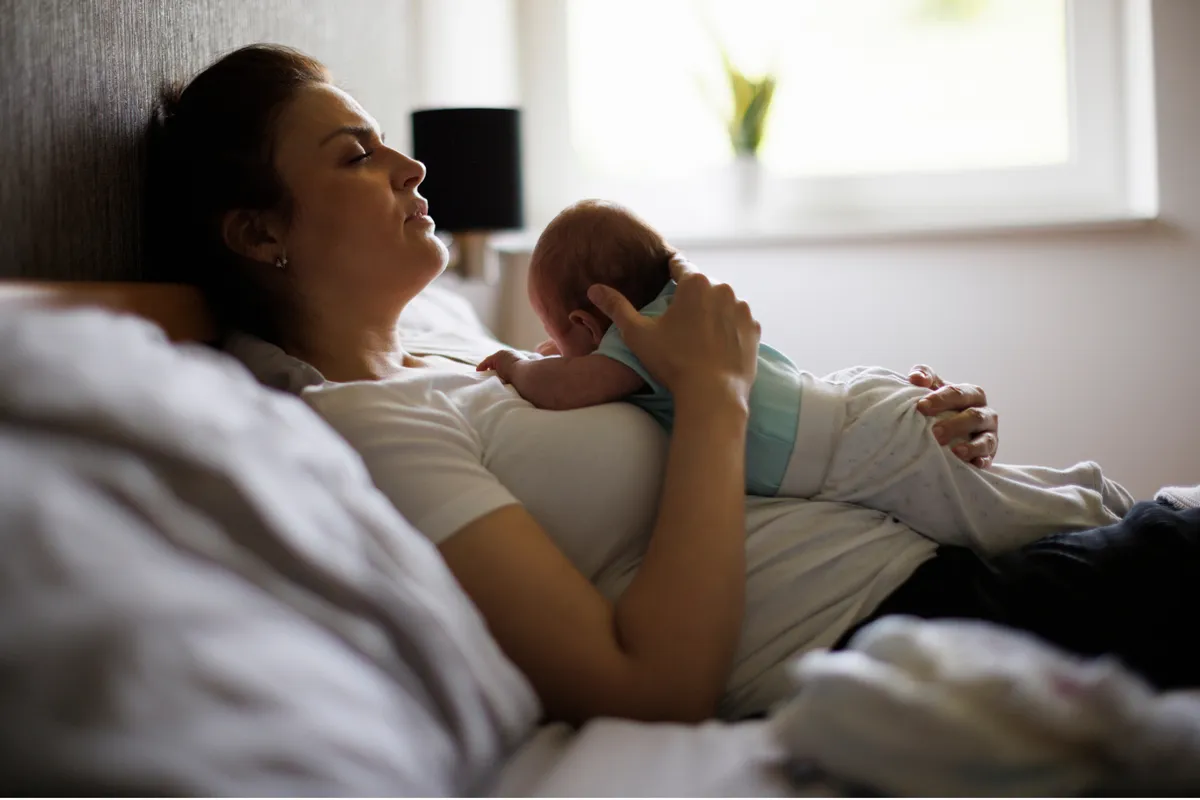
Postpartum Recovery: Why Movements Matters After Having a Baby
Postpartum Recovery: Why Movements Matters After Having a Baby
Having a baby is a major transition for both life and your body. Pregnancy and childbirth can affect your muscle, joints, pelvic floor, abdominal wall, energy levels, and daily routines. And once your baby arrives, your body has another job: healing.
The healing doesn't have to mean staying completely still.
Postpartum movement isn't about getting your old body back. It's about gradually supporting the body you're in as it heals, adapts, and becomes stronger.
Recovery Is a Process, Not a Race
The postpartum period can look different for everyone. Your recovery may depend on your pregnancy, how you gave birth, any complications you experienced, your previous activity level, and how your body feels afterward.
Some people may feel ready for gentle movement relatively soon. Others may need more time and support. That's why there isn't one perfect postpartum timeline.
A six-week postpartum appointment can be an important opportunity to check in with your healthcare provider, but reaching six weeks doesn't automatically mean you're ready to return to your previous workouts. Your activity should progress according to your individual recovery and medical guidance.
If you had a C-section or experienced complications, your return to activity may require additional considerations. A C-section involves abdominal surgery, so recovery can look different from recovery after an uncomplicated vaginal birth.
Your recovery doesn't need to match anyone else's.
Why Does Movement Matter After Birth?
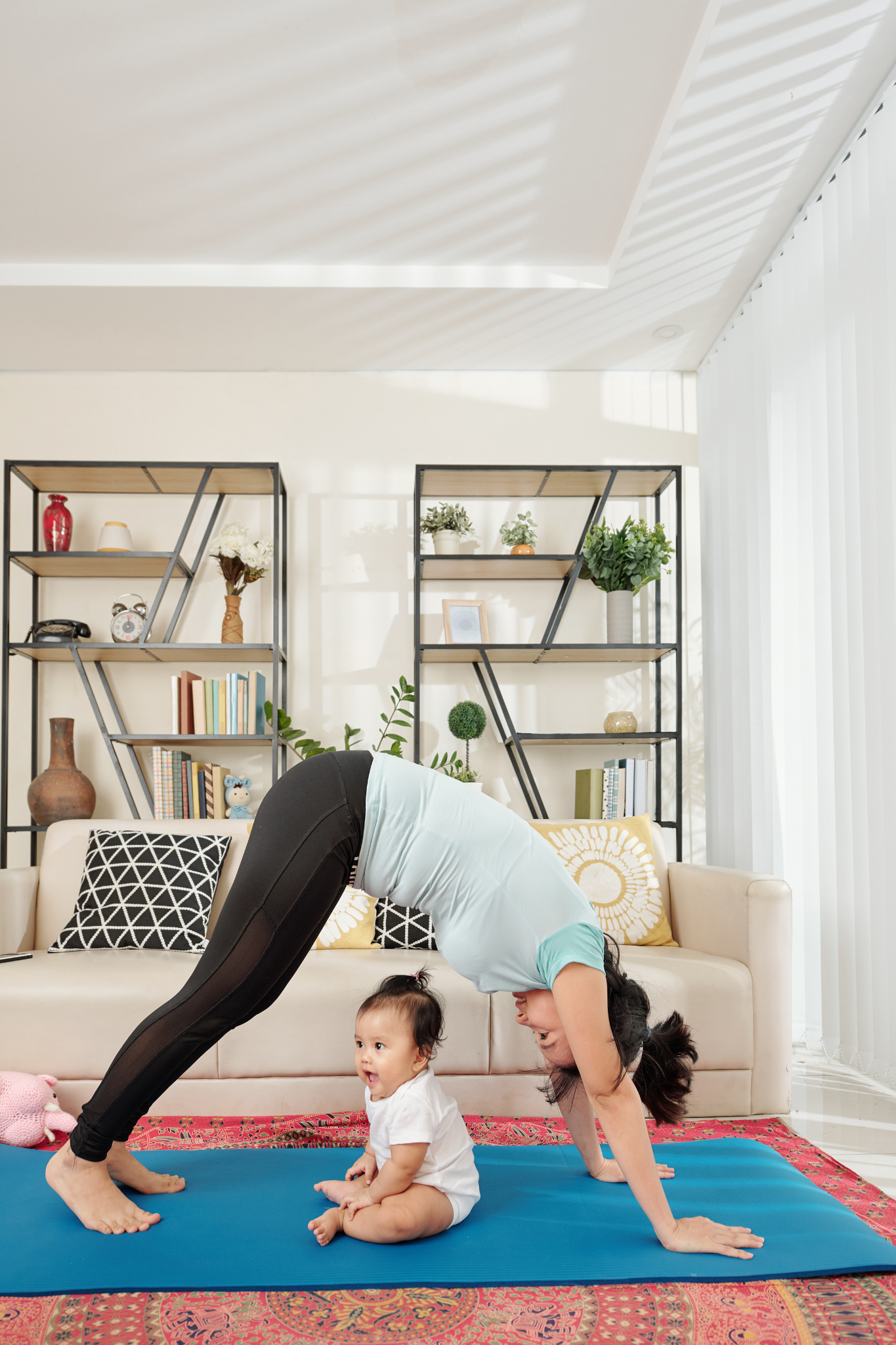
Once it has determine that activity is appropriate for you, movement can become an important part of postpartum wellness. Regular physical activity can support cardiovascular health, energy, and emotional well-being. The CDC notes that physical activity during the first year after birth can decrease symptoms of postpartum depression.
Research has also found benefits associated with postpartum exercise for certain aspects of maternal health, while evidence suggests that postpartum physical activity during the first year after birth can decrease symptoms of postpartum depression.
Research has also found benefits associated with postpartum exercise for certain aspects of maternal health, while evidence suggests that postpartum physical activity does not negatively affect breastfeeding or infant growth in the studies reviewed.
Movement can also help you reconnect with everyday activities after pregnancy and birth. It doesn't have to look like a workout.
Movement Can Start Small
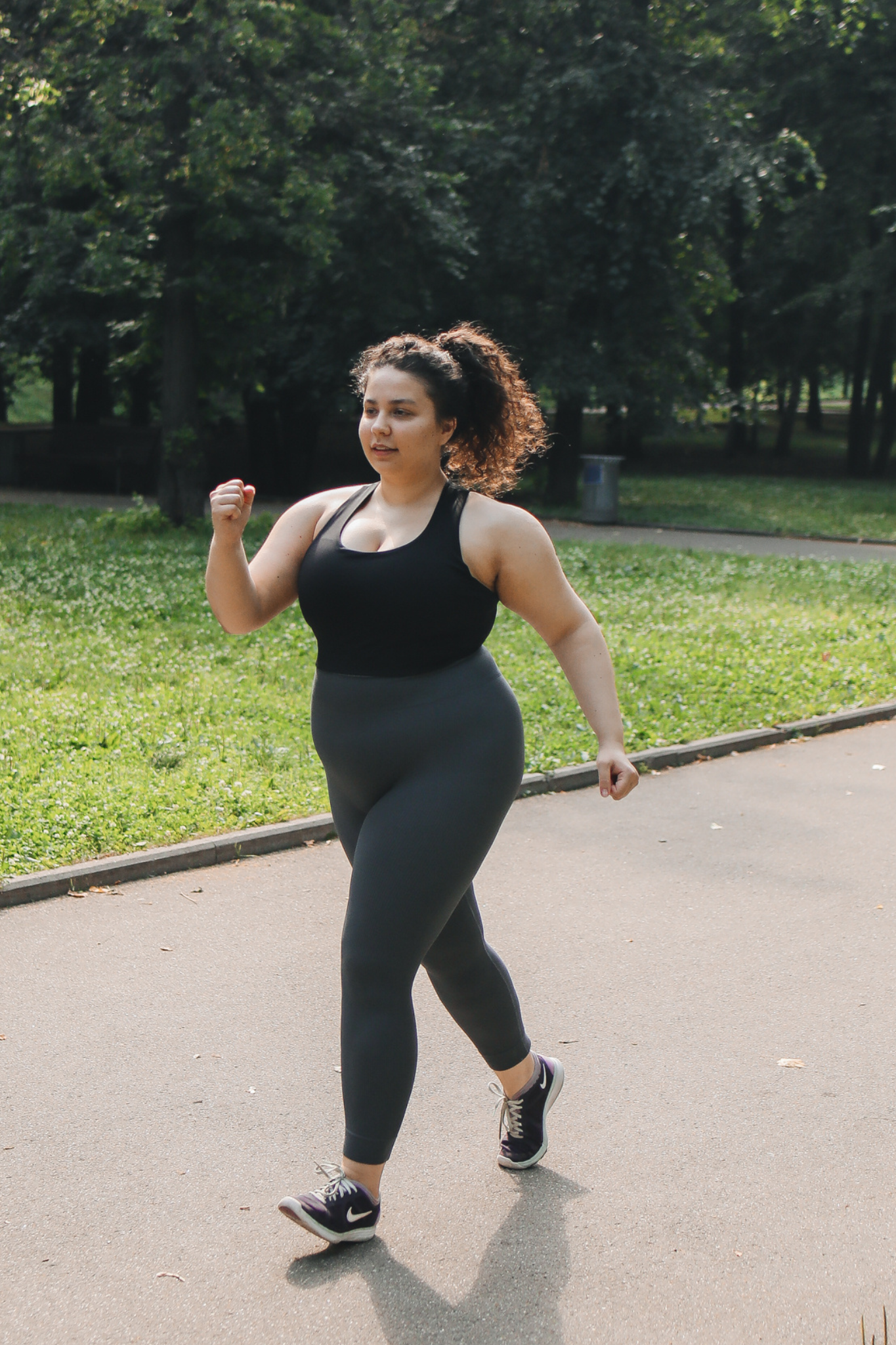
Postpartum movement doesn't have to mean returning to intense workout. Once activity is appropriate for you, simple movements can be a good place to start:
Taking a short walk
Changing positions throughout the day
Moving gently between daily tasks
Spending time outside
Gradually returning to activities you enjoy
The CDC recommends that healthy postpartum adults work toward at least 150 minutes of moderate-intensity aerobic activity each week. However, you don't have to reach that amount all at once. Activity can be built gradually based on your recovery.
Some movement is better than none.
Don't Forget Your Pelvic Floor
Pregnancy and childbirth can place significant demands on the pelvic floor. Some people experience urinary leakage, pelvic pressure, bowel changes, or discomfort after giving birth. These symptoms shouldn't simply be ignored if they continue or interfere with everyday activities.
Research published in the British Journal of Sports Medicine found that pelvic floor muscle training during the first year postpartum can reduce the likelihood of urinary incontinence.
If you're experiencing ongoing pelvic floor symptoms talk with your chiropractor who may able to refer you to a pelvic floor physical therapist. Chiropractor adjustments and muscle activation go hand in hand complementing each other in your recovery.
Your Everyday Movement Matters
Postpartum movement isn't only about exercise. New parents spend a lot of time feeding, holding, carrying, and caring for their baby. Staying in one position for long periods can leave on the neck, shoulders, and back feeling uncomfortable.
Rather than trying to maintain one "perfect" posture, focus on changing positions regularly. During feeding or while holding your baby, shift positions when you become uncomfortable. Stand up, walk around, or take a brief movement break when you can. Seeing your chiropractor for postural adjustments will also help ease tension during this transitional time.
Your body is designed to move.
Rest is Part of Recovery
Movement is important, but so are rest, nourishment, hydration. and support.
Many postpartum traditions around the world recognize the importance of caring for the mother after birth. Family, friends, and community can help with meals, childcare, household tasks, and simply giving a new parent time to rest.
You don't have to do everything yourself. Rest and movement can work together.
Listen to Your Body
Postpartum recovery isn't about pushing through discomfort or comparing yourself with someone else's timeline. Pay attention to symptoms such as persistent pain, pelvic pressure, urinary or bowel problems, or discomfort that makes everyday activities difficult.
Some symptoms require immediate medical attention. The CDC lists warning signs such as heavy bleeding, trouble breathing, chest pain, severe headache or vision changes, fever, and thought of harming yourself or your baby.
When something doesn't feel right, reach out to your healthcare provider.
The Bottom Line
Postpartum recover takes time. You don't need to rush back into your old routine or follow someone else's timeline. Start with movement that feels manageable, gradually build as your recovery allows, and give your body the rest and support it needs.
The goal isn't to bounce back. It's to move forward.
If you're navigating postpartum recovery and have questions about movement, posture, or everyday comfort. Optimal Health & Wellness can help you understand your options and discuss appropriate next steps.


