


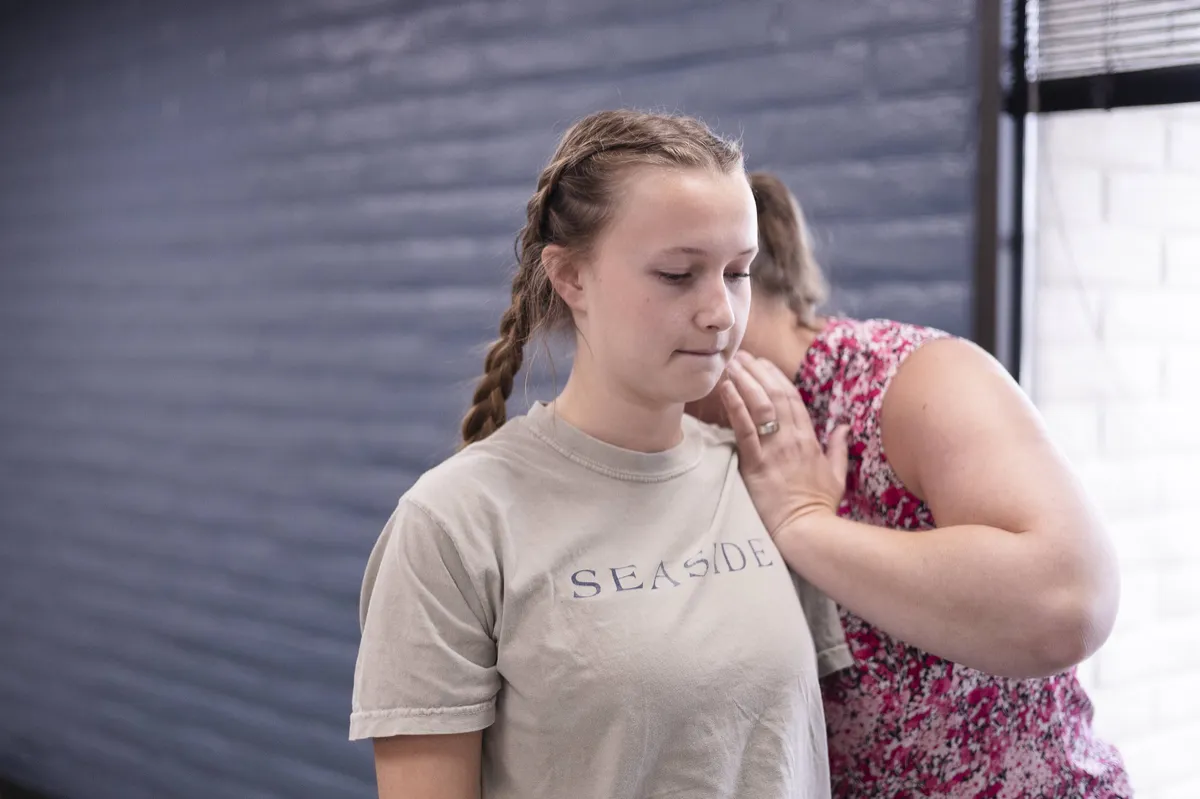
What Is A Posture Assessment?
What Is a Posture Assessment?
Have you ever wondered what a posture assessment actually looks at or what you can learn from one?
A posture assessment is more than simply checking whether you "stand up straight". It is a way of observing and documenting how different parts of your body are positioned in relation to one another.
Your head, shoulders, spine, pelvis, hips, knees, and feet all work together as you sit, stand, move, and balance. Posture assessment can help identify patterns, asymmetries, or areas that may deserve closer attention.
And importantly, there isn't necessarily one "perfect" posture that every person should have. Current research suggests that posture varies between individuals, and the ability to comfortably adapt and change positions may be more meaningful than trying to hold one rigid position all day.
What Is Posture?
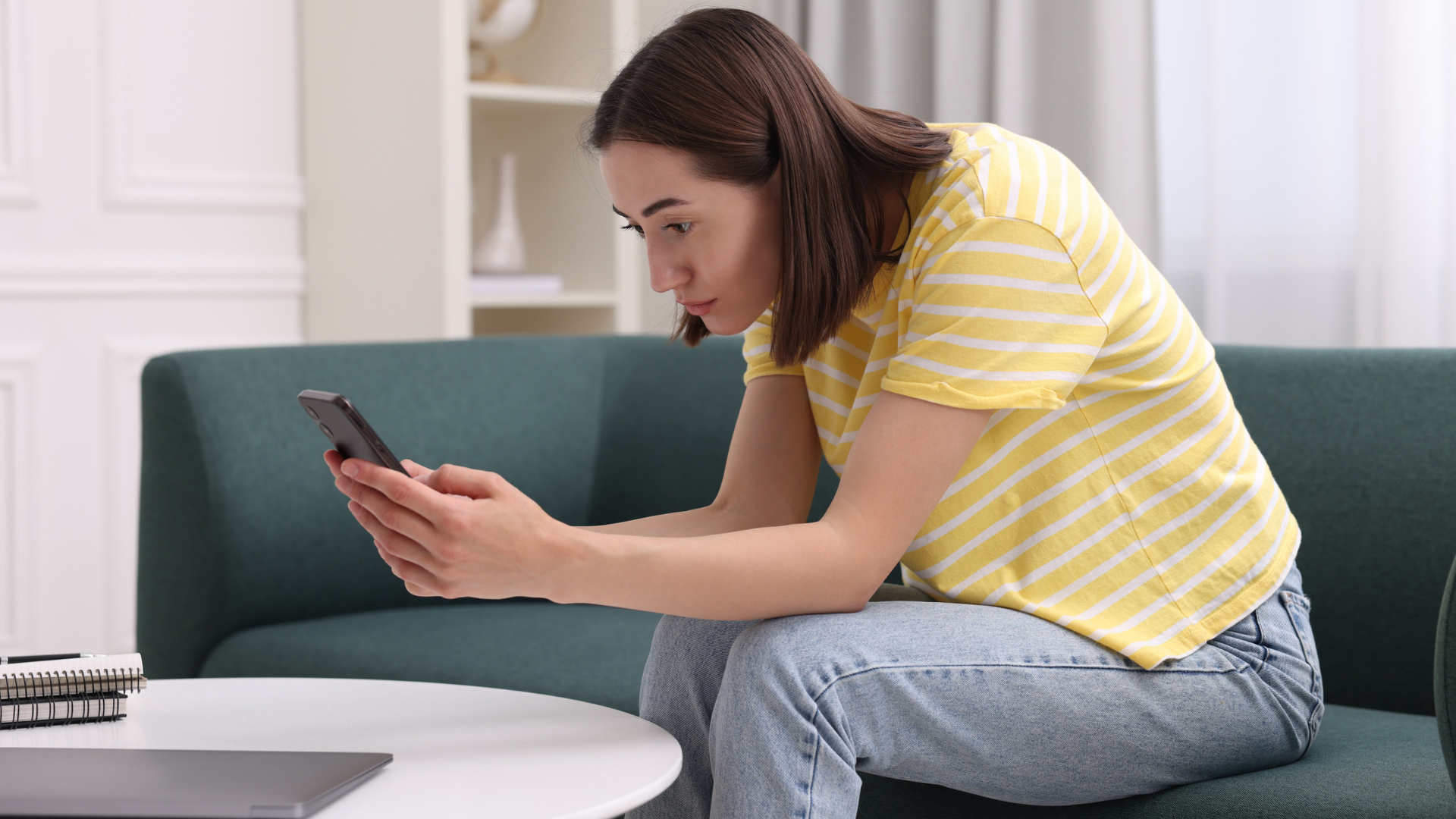
In simple terms posture refers to how your body positioned in space.
As Katy Bowman explains in Pathways to Family Wellness, "Posture is the visible orientation of parts."
But posture isn't just about what your body looks like from the outside. It can change depending on what you're doing, whether you're sitting at a desk, walking, exercising, using your phone, carrying a child, or standing in line.
That's why a posture assessment can provide a snapshot of how your body is positioned at a particular moment, while also providing an opportunity to consider how your daily habits and movement patterns may influence that position.
What Does a Posture Assessment Look At?
A posture assessment may examine the relationship between several areas of the body rather than focusing on one isolated body part.
Depending on the assessment, areas that may be observed include:
Head and Neck: Is the head positioned forward, backward, or to one side?
Shoulders: Are the shoulders level? Do they appear rounder or positioned differently from one another?
Spine: What do the natural curves of the cervical, thoracic, and lumbar spine look like?
Pelvis: Is there an apparent tilt or asymmetry?
Hips: Are the hips level and similarly positioned?
Knees and ankles: How are the lower limbs positioned in relation to the rest of the body?
Overall Symmetry: Are there noticeable differences between the right and left sides?
Looking at the body from different perspective can provide different information. A posture assessment may include front, back, and side views to observe alignment and asymmetries that might not be visible from one angle alone.
How Is Posture Measured?
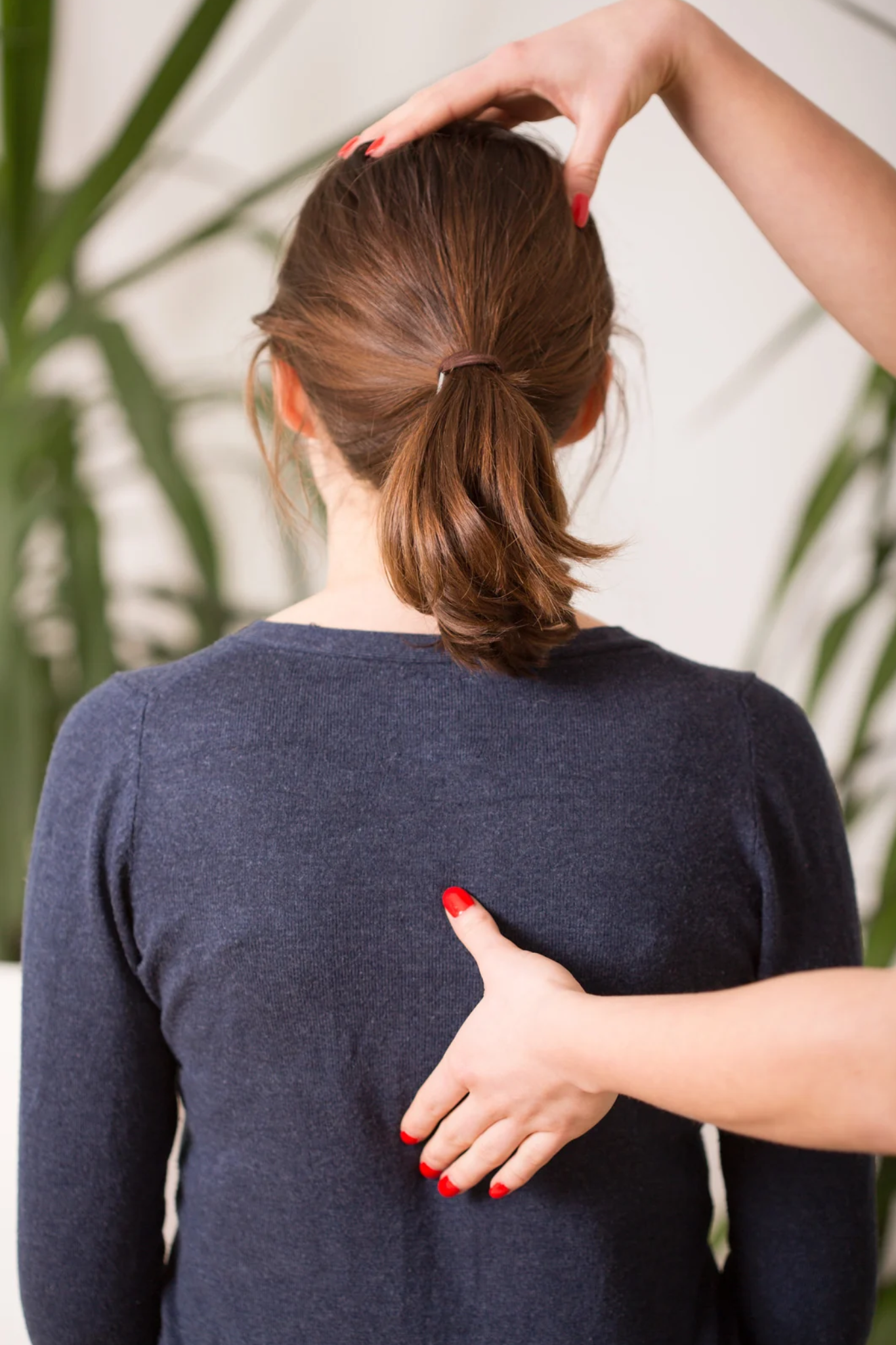
There are several ways posture can be assessed.
A trained professional may begin with visual observation, looking at the body's overall alignment and relationships between different body segments.
Photos can also be used to document posture. Research has examined methods such as photographic assessment, photogrammetry, posture-analysis software, and other digital tools. A systematic review of posture assessment methods found that there are many different approaches, and that reliability and validity can vary depending on the method used.
This is what assessment process matters. A photograph or measurement is only part of the picture. Positioning, consistency, the method used, and how the findings are interpreted can all affect the results.
Why Look at Posture From More Than One Angle?
Your body is three-dimensional.
For example, someone may appear relatively symmetrical from the front but show a noticeable forward head position when viewed from the side. Another person may have differences in shoulder or pelvic height that are easier to see from the front or back.
Looking at multiple views allows an assessment to consider the body as a whole instead of focusing on one isolated measurement.
This whole-body approach is also important because normal posture varies from person to person. A 2024 scoping review found that the traditional "standard posture" used in some assessment approaches does not necessarily represent natural posture across healthy individuals. The authors recommended a more global and individualized approach.
Doer Poor Posture Cause Pain?
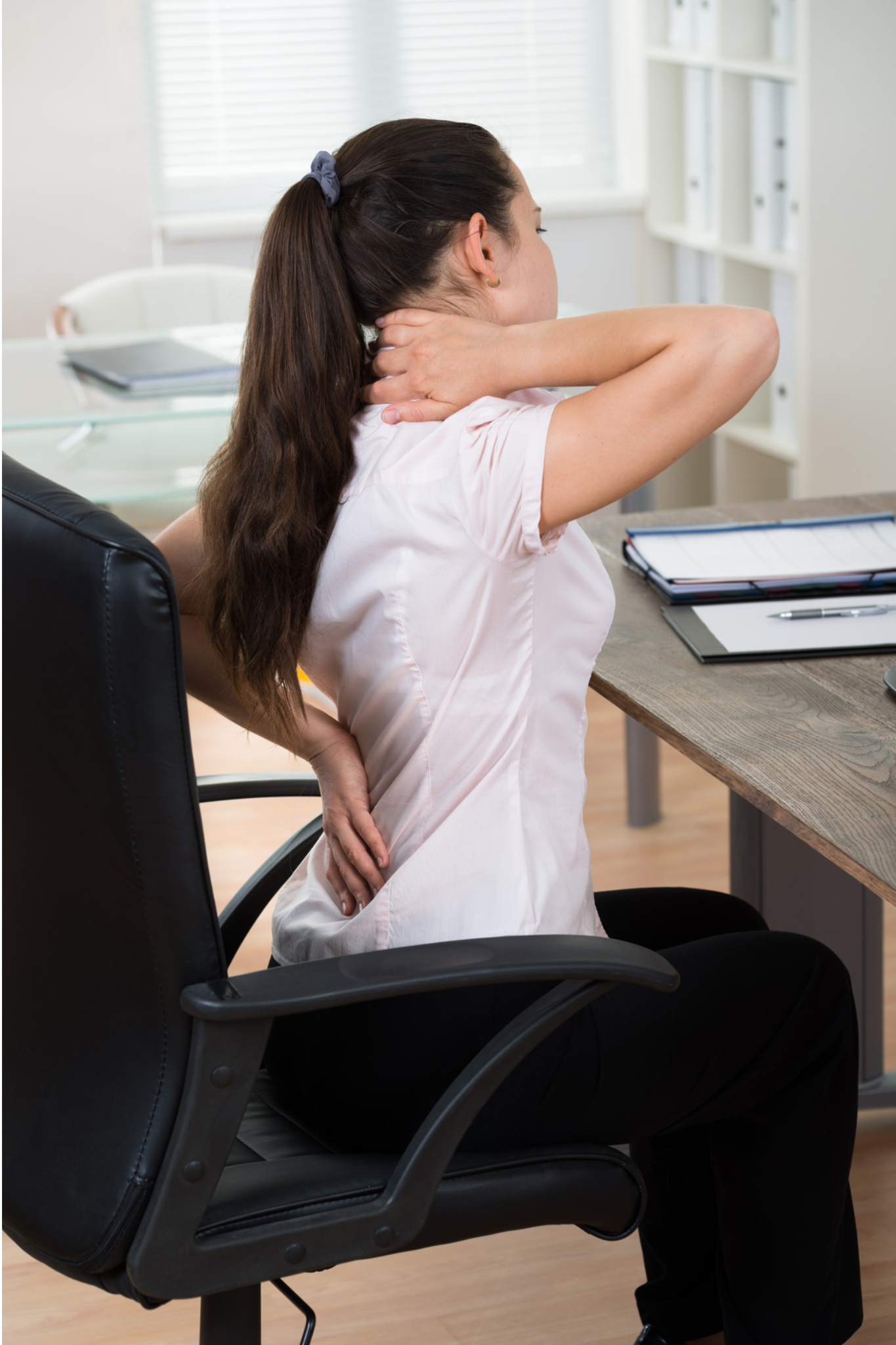
This is where things get a little more complicated.
You may have heard that "bad posture" causes back pain, neck pain, headaches, or other problems. But research doesn't such a simple cause-and-effect explanation for every person.
For example, research has found associations between forward head posture and certain aspects of postural control and cervical proprioception, but findings aren't consistent across every measure.
Similarly, researchers studying forward head posture and neck pain have noted that it can be difficult to determine whether a postural pattern contributes to pain, whether pain influences posture, or whether other factors are involved.
That's why a posture assessment shouldn't be viewed as a diagnosis by itself.
Instead, it can be one piece of information that helps to understand a person's individual posture and identify areas that may warrant further attention.
Why Does Posture Assessment Matter?
Your posture can change throughout the day. thing about how often you:
Sit a computer
Look down at your phone
Drive
Exercise or play sports
Stand or play sports
Stand for long periods
Carry a child
Nurse or bottle-feed
Work at a desk
Relax on the couch
You aren't meant to stay in exactly one position all day.
The goal of a posture assessment isn't necessarily to tell you that you need to "hold yourself perfectly" every minute. Instead, it can help you become more aware of how your body is positioned and where you may have patterns worth paying attention to.
What Happens During a Posture Assessment?
The exact process depends on the type of assessment being performed.
It may include:
Discussing your goals or concerns
Observing your posture from different views
Taking standardized photos or measurements when appropriate
Looking at relationships between different areas of the body
Reviewing the findings with you
Identifying areas that may deserve further attentions
A good assessment should put the findings into context rather than simply labelling a person as having "good" or "bad" posture.
Try Our Free Virtual Posture Assessment
Curios about what your posture may be showing?
At Optimal Health & Wellness, we offer a FREE Virtual Posture Assessment. You can submit your posture photos from home, and your results are sent to your inbox within two days!
It's a simple way to take a closer look at your posture and learn more about the patterns your assessments reveals.
Ready to see what your posture may be telling you?
Take your FREE Virtual Posture Assessment!

Your posture is unique to you. The first step isn't about finding a "perfect" position, it's about understanding where you are starting from.
Reference
Bowman, K. (2014, season-01). Thinking outside the chair. Pathways to Family Wellness, 49. https://pathwaystofamilywellness.org/childrens-health-wellness/thinking-outside-the-chair.html
Revak, W., & Revak, S. (2024, season-01). Postures for optimal growth, health, and beauty: How the tongue supports our facial and spinal development. Pathways to Family Wellness, 81. https://pathwaystofamilywellness.org/childrens-health-wellness/postures-for-optimal-growth-health-and-beauty-how-the-tongue-supports-our-facial-and-spinal-development.html
Adams, J., & Adams, J. (2019, season-01). Nursing posture and its role in sympathetic dominance. Pathways to Family Wellness, 61. https://pathwaystofamilywellness.org/breastfeeding/nursing-posture-and-its-role-in-sympathetic-domininance.html
Siddle, B. (2008, season-02). Chiropractic care for children. Pathways to Family Wellness, 18. https://pathwaystofamilywellness.org/childrens-health-wellness/chiropractic-care-for-children.html
Mylonas, K., Tsekoura, M., Billis, E., Aggelopoulos, P., Tsepis, E., & Fousekis, K. (2022). Reliability and Validity of Non-radiographic Methods of forward head Posture Measurement: a Systematic review. Cureus, 14(8), e27696. https://doi.org/10.7759/cureus.27696
Lin, G., Zhao, X., Wang, W., & Wilkinson, T. (2022). The relationship between forward head posture, postural control and gait: A systematic review. Gait & Posture, 98, 316–329. https://doi.org/10.1016/j.gaitpost.2022.10.008
Szczygieł, E., Fudacz, N., Golec, J., & Golec, E. (2020). The impact of the position of the head on the functioning of the human body: a systematic review. International Journal of Occupational Medicine and Environmental Health, 33(5), 559–568. https://doi.org/10.13075/ijomeh.1896.01585
Posture. (n.d.). Physiopedia. https://www.physio-pedia.com/Posture
Posture Assessment - Orange County Physical Therapy Clinics | Irvine | Mission Viejo. (2021, September 25). Orange County Physical Therapy Clinics | Irvine | Mission Viejo. https://orangecountyphysicaltherapyclinic.com/treatment-interventions/posture-assessment/
Sports screening: postural assessment. (n.d.). Physiopedia. https://www.physio-pedia.com/Sports_Screening:_Postural_Assessment


